The COVID safe digital depot

person washing his hand
Photo by Burst on Pexels.com

Our world has changed beyond measure since the last time we blogged.  Working from home, wearing a face mask, minimal travel and social ‘bubbles’ are just some of the changes we’ve embraced in an attempt to curb the spread of an infectious virus we’ve come to know as COVID-19.

The world of work has also adapted – but for some industries shutting up shop was not possible – learning to safely live alongside the virus has been the only option.  Even at the height of the pandemic key workers still needed to travel, meaning the rail industry remained open for business.

But perhaps if there’s been any benefit to this dreadful pandemic, it’s that workplaces have had to embrace digital technology like never before.  Companies that were content to encase themselves in a world of paper and filing cabinets have suddenly been forced to digitise to minimise workplace footfall and paper handling.

We’ve been pushing the benefits of the digital railway for years – but it seems to have taken a pandemic for sea change to really begin.  This is where our online worksite safety induction solution SiteSentinel has come into its own.  Train depot visitors can complete their worksite induction before they arrive on site, meaning when they do arrive, they come with an understanding of the depot layout, e.g. entrances, exits, sanitiser stations, etc.  This all helps to ensure visitors can go straight to where they need to be – helping to avoid hesitation and people clustering.

Not only does SiteSentinel encourage people flow, it also provides a very direct way of informing visitors about company COVID-related rules and procedures – as well as reminding them of their own legal and ethical responsibilities.  For example, we’ve updated the induction platform to include content on coughing etiquette, hand washing practice and worktstation sanitisation.

The best bit is that SiteSentinel updates are easy too – even making it possible to keep up with the latest guidance – which, let’s be honest, is changing all the time! Will there ever be a better reason to go digital with your induction?

SiteSentinel for Network Rail

July 2020

Network Rail adopts SiteSentinel for Reading Station

We are delighted to welcome Network Rail to the SiteSentinel community. Network Rail have commissioned Lucid to develop an online worksite induction for Reading Station. In addition to the usual visitor, and contractor pathways, the induction will also provide content specific to station volunteers.

Network Rail is the owner and infrastructure manager of most of the railway network in Great Britain. They directly manage twenty of the UKs largest railway stations.

The SiteSentinel platform provides an online induction, test, and administration interface. The system is designed to consistently deliver relevant, high-quality information using text, photos, video, and illustrations. SiteSentinel provides an audit trail of site inductions for staff, visitors, and contractors.

SiteSentinel for Cambridge Sidings

July 2020

More SiteSentinel for Greater Anglia

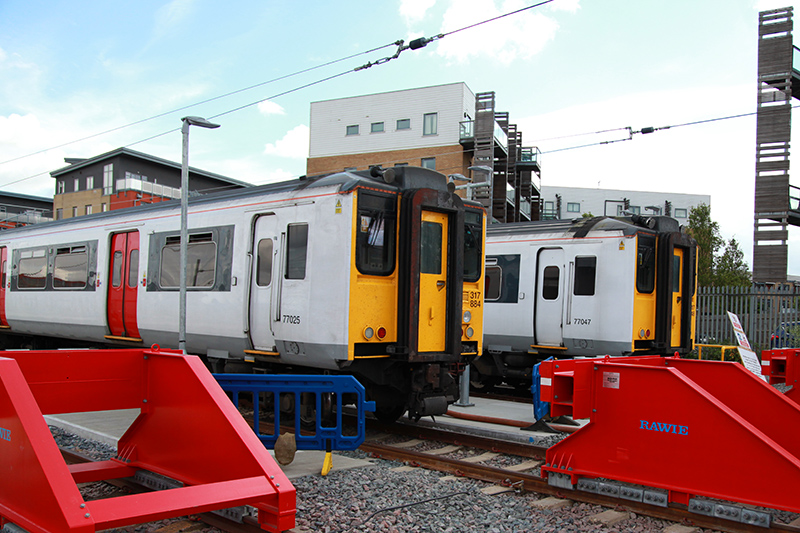
Greater Anglia have commissioned a further SiteSentinel induction. The latest location, Cambridge Sidings, is located immediately opposite Cambridge Station. The sidings provide stabling and train servicing facilities for Greater Anglia’s new fleet of commuter trains.

Greater Anglia provide services from central London and extensive regional services throughout east England. They are currently implementing a complete fleet upgrade, replacing aging rolling stock with a mixture of new units from Bombardier and Stadler.

The SiteSentinel platform provides an online induction, test, and administration interface. The system is designed to consistently deliver relevant, high-quality information using text, photos, video, and illustrations. SiteSentinel provides an audit trail of site inductions for staff, visitors, and contractors.

SiteSentinel for EMR

February 2020

East Midlands Railway adopts SiteSentinel for 3 depots

We would like to welcome EMR to the SiteSentinel community. EMR have commissioned Lucid to develop SiteSentinel inductions for their Etches Park, Eastcroft, and Neville Hill depots.

East Midlands Railway, based in Derby, provides services across the East Midlands, and run services between the east midlands and London.

The SiteSentinel platform provides an online induction, test and administration interface. The system is designed to consistently deliver relevant, high-quality information using text, photos, video and illustrations. SiteSentinel provides an audit trail of site inductions for staff, visitors, and contractors.

The Digital Depot II

internal depot

A few months back we blogged about the headway we, as well as the likes of Zonegreen and Alcumus Sypol, are making in the area of digitising the train depot… Our online worksite safety induction solution Site Sentinel allows depot visitors to complete an induction before they arrive on site, meaning they arrive equipped and ready for work.  What better way to optimise the digital technology available to us?

However, what if visitors first language isn’t English?  To date, we’ve always run Site Sentinel in English, however, more and more site visitors need the worksite induction in their native language to ensure safety critical details are not ‘lost in translation’.

This development is unsurprising, the range of skills required in a train depot is vast… there are train engineers, construction workers, electricians, safety managers and administrative staff, not to mention a whole heap of specialist rail contractors and visitors who enter the depot each day.  We can’t expect each one of these people to have a high standard of English literacy – but neither can we afford for them to misunderstand or misinterpret the safety induction briefing.

So, what do we do?  Well if you decide to translate your induction, you’ll need technical language support and a good deal of technical proofreading.  Google Translate – albeit a great way to quickly and cheaply translate big pieces of text – won’t suffice – it could lead to unintelligible or, worse still, misleading statements.  The devil is in the detail and technical accuracy is key.

Once you’ve had the site induction translated, a little user testing wouldn’t go amiss either… the text may make sense to you, but it needs to be trialled with different people to ensure the testing is sufficiently robust.

But… once this is all in place, there’s no reason why Site Sentinel can’t be rolled out in a whole variety of different languages.  You could even give people the choice to read it in more than one language – just for good measure!

Have you translated safety materials into different languages?  What challenges have you faced?